
Terrestrial TV. Habit is the product.
Britain is planning for a future without Freeview or aerials, just internet delivery. Huw's worry is not access. It is that people simply stop.
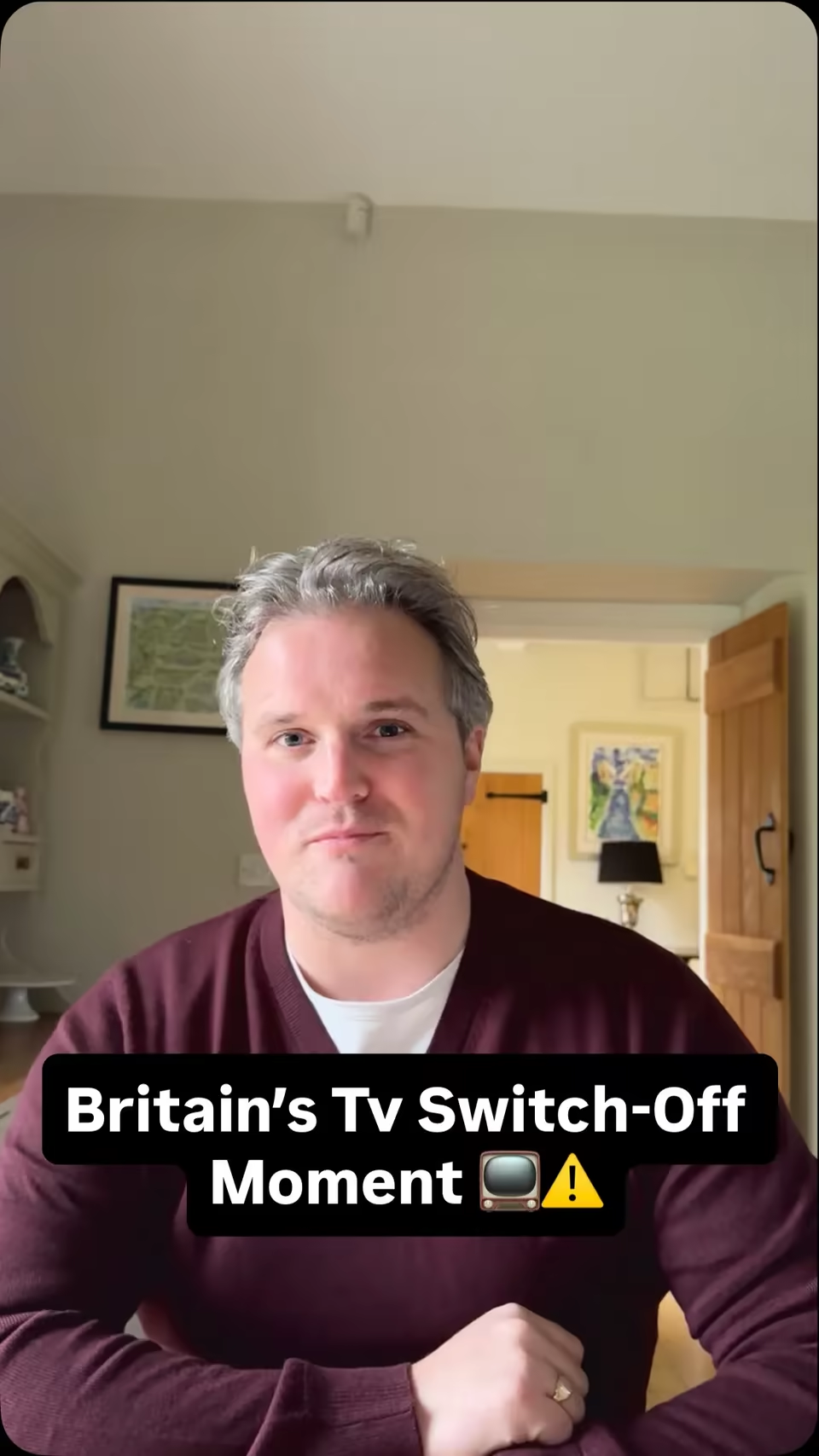
THE GIST ON TERRESTRIAL TV: "The Switch-Off Moment"

What is the plan?
The UK is planning a future where terrestrial television is switched off. No Freeview, no aerials, just internet delivery. The assumption is that everyone watches online anyway, so the transition will be painless.
What does that miss?
How broadcast TV actually survives today. It doesn't compete on excitement any more, it competes on habit. You turn it on, it's there. No apps, no logins, no decisions.
That reliability keeps millions of casual viewers engaged even as viewership diminishes.
What is the real risk?
That habit will break. Broadcast audiences don't adapt by experimenting, they just stop. The risk is not that people can't access TV, but that they stop. Once someone stops putting the television on out of habit, they almost never come back.
Streaming is built around volatility. Broadcast television is not.
Would you miss Freeview if it went?
Your take. One tap, then see how everyone else voted.
Quick answers
What is Britain planning for TV?
A future where terrestrial television is switched off: no Freeview or aerials, just internet delivery.
Why does broadcast TV survive?
It competes on habit: no apps, logins or decisions.
What is the real risk?
Casual viewers stop watching altogether and almost never come back.
See you on the next one.
What should the next one be? Suggest a topic for Huw to explain
The conversation
Comments
Nothing here yet. Start the conversation: Huw reads every comment before it is published.


