
Tesco. Same loaf, different price.
Tesco is rolling out personalised pricing, so the same loaf of bread will cost different amounts for different people. It just figured out what we're all worth.
The Gist on Tesco: "Basket Case"

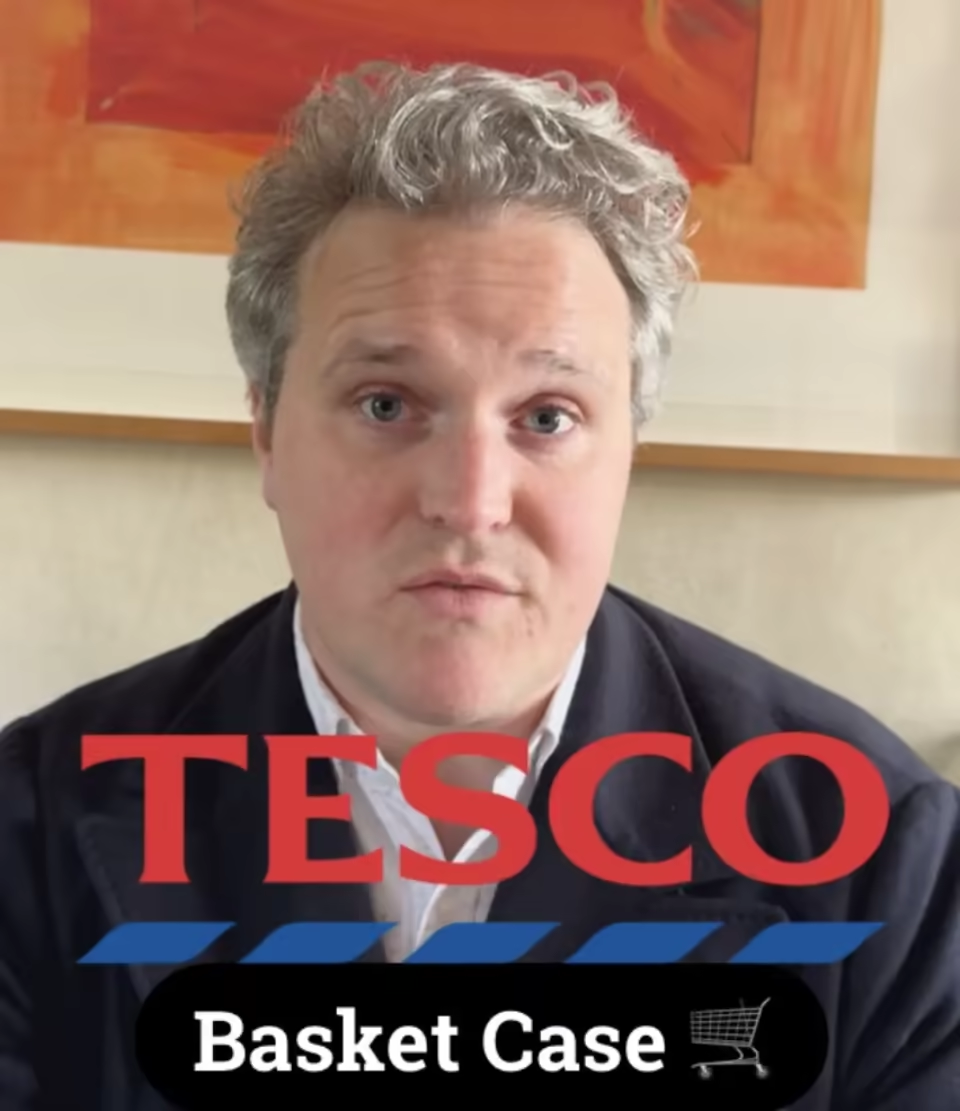
This one's called "Basket Case", and it starts with a loaf of bread.
Tesco is becoming a data company that sells food, and it just figured out what we're all worth.
Tesco is rolling out personalised pricing. The same loaf of bread will cost different amounts for different people. Here's how we got here.
How did the Clubcard turn into a pricing machine?
Tesco invented the Clubcard in 1995. It gave you small rewards in return for your shopping data.
Six years ago, we got Clubcard prices, and the headline price became a punishment for anyone who didn't have one.
And now they're trialling personal prices on the card. Everyone will get a unique price based on what AI thinks you'll pay.
Why would Tesco do this?
For two reasons. First, the fixed price always left money on the table. Charging some people too much and some people too little is always giving away margin. Personalised pricing solves both ends of that spectrum.
And secondly, data is the most valuable product they have.
Who is actually paying for your Clubcard data?
The brands you buy. Coca-Cola, Heinz, Kellogg's. They pay Tesco huge amounts to know what you buy and when.
Because the Clubcard isn't designed to give you discounts. It's designed to harvest the data that brands pay for.
Haven't we been here before?
Sort of, and the irony is we're going backwards. Before 1870, you had to haggle in every shop. Quakers introduced the fixed price as a moral position, saying it was the only honest way to trade.
The world adopted it. And now AI is undoing it, 150 years later. Except we won't get to haggle. We won't even know what other people are paying.
Is this just dynamic pricing on your weekly shop?
Basically, yes. It's the same model that makes an Uber in the rain cost three times more.
The loyalty card is just a surveillance subscription. And the discount you get is the digital divide: the people who give up the most data in the apps save the most.
The supermarket is now basically a casino, and they both have the same amount of windows.
So what actually is the price of a loaf of bread now? Tell me in the comments.
Would you accept personal prices for a bigger discount?
Your take. One tap, then see how everyone else voted.
Quick answers
What is Tesco's personalised pricing?
Tesco is rolling out prices that differ from person to person, based on what AI thinks each shopper will pay. The same loaf could cost different people different amounts.
Why does Tesco want personalised prices?
Two reasons. A fixed price always left money on the table, and shopper data is the most valuable product they have: brands like Coca-Cola, Heinz and Kellogg's pay to know what you buy and when.
Was the fixed price always the norm?
No. Before 1870 you had to haggle in every shop. Quakers introduced the fixed price as a moral position, as the only honest way to trade.
See you on the next one.
What should the next one be? Suggest a topic for Huw to explain
The conversation
Comments
Nothing here yet. Start the conversation: Huw reads every comment before it is published.


