
Private Schools. The price war.
105 private schools closed last year. Everyone assumed the survivors would have to get better, but it has done the opposite: when schools compete, the richest don't improve, they just undercut everyone else.
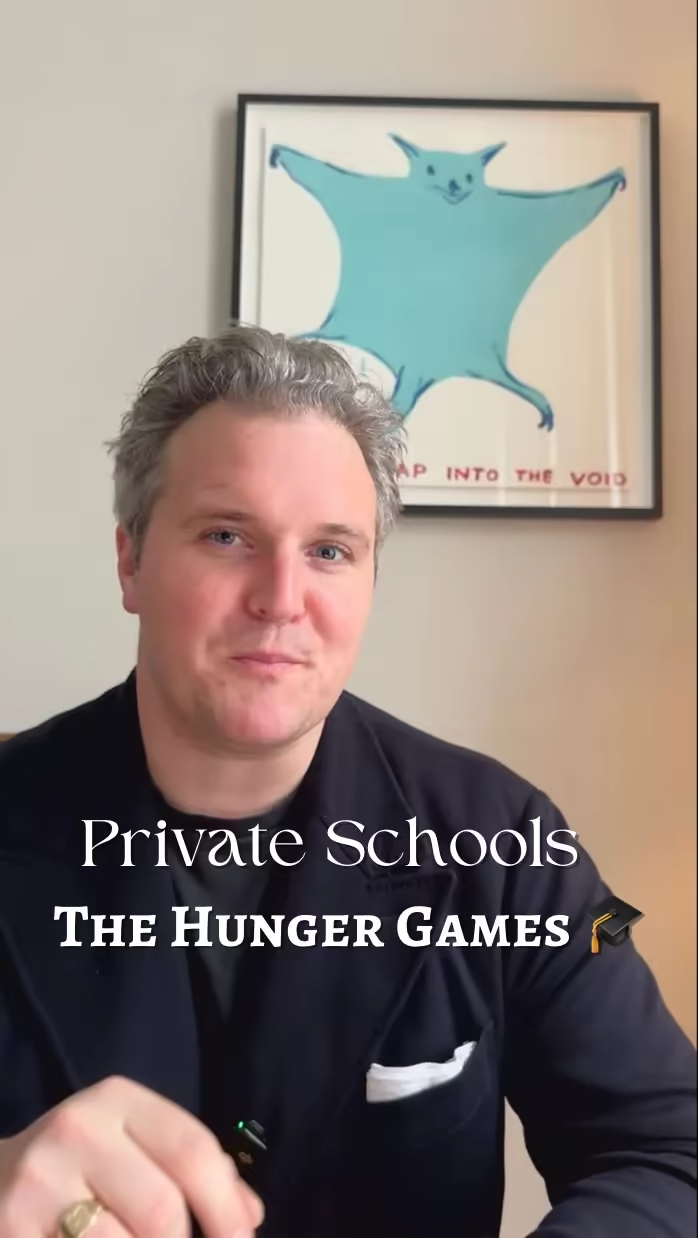
THE GIST ON PRIVATE SCHOOLS: "The Hunger Games"

What did everyone expect?
That the survivors would compete and improve, justifying their fees with better teaching, facilities and results. That market forces would raise the bar. They haven't.
What actually happened?
Schools are slashing fees to survive, some cutting them in half from 15 grand a year to seven and a half, with free uniforms, free transport and study trips abroad. And it's the big schools doing it, not the small ones.
The richer schools use price as a weapon, undercutting smaller schools, pricing them out and scooping up their students when they close.
What does it cost?
How do you halve your fees and stay profitable? Not if you're academically selective. So the bar drops, and money starts to matter more than grades.
Private schools used to sell excellent education, exclusive peers and a network that could change your trajectory. When anyone rich enough gets in, exclusivity vanishes and the network diminishes. The ladder to social mobility, however unfair, is breaking: smart poor kids are locked out even more, and the rich kids who couldn't get in before now can.
Is a price war good for parents?
Your take. One tap, then see how everyone else voted.
Quick answers
How many private schools closed?
105 last year, according to Huw.
How are schools cutting fees?
Some have halved them from 15,000 pounds to 7,500 a year, with free uniforms, transport and study trips.
Who is cutting prices?
The big, richer schools, undercutting smaller ones, rather than the small schools themselves.
See you on the next one.
What should the next one be? Suggest a topic for Huw to explain
The conversation
Comments
Nothing here yet. Start the conversation: Huw reads every comment before it is published.


