
Netflix. Prices up, subscribers up.
Netflix raised prices by up to 15.5% and added 19 million subscribers. It isn't a subscription any more. It's a habit.
THE GIST ON NETFLIX: "Netflix's Price-Hike Paradox"

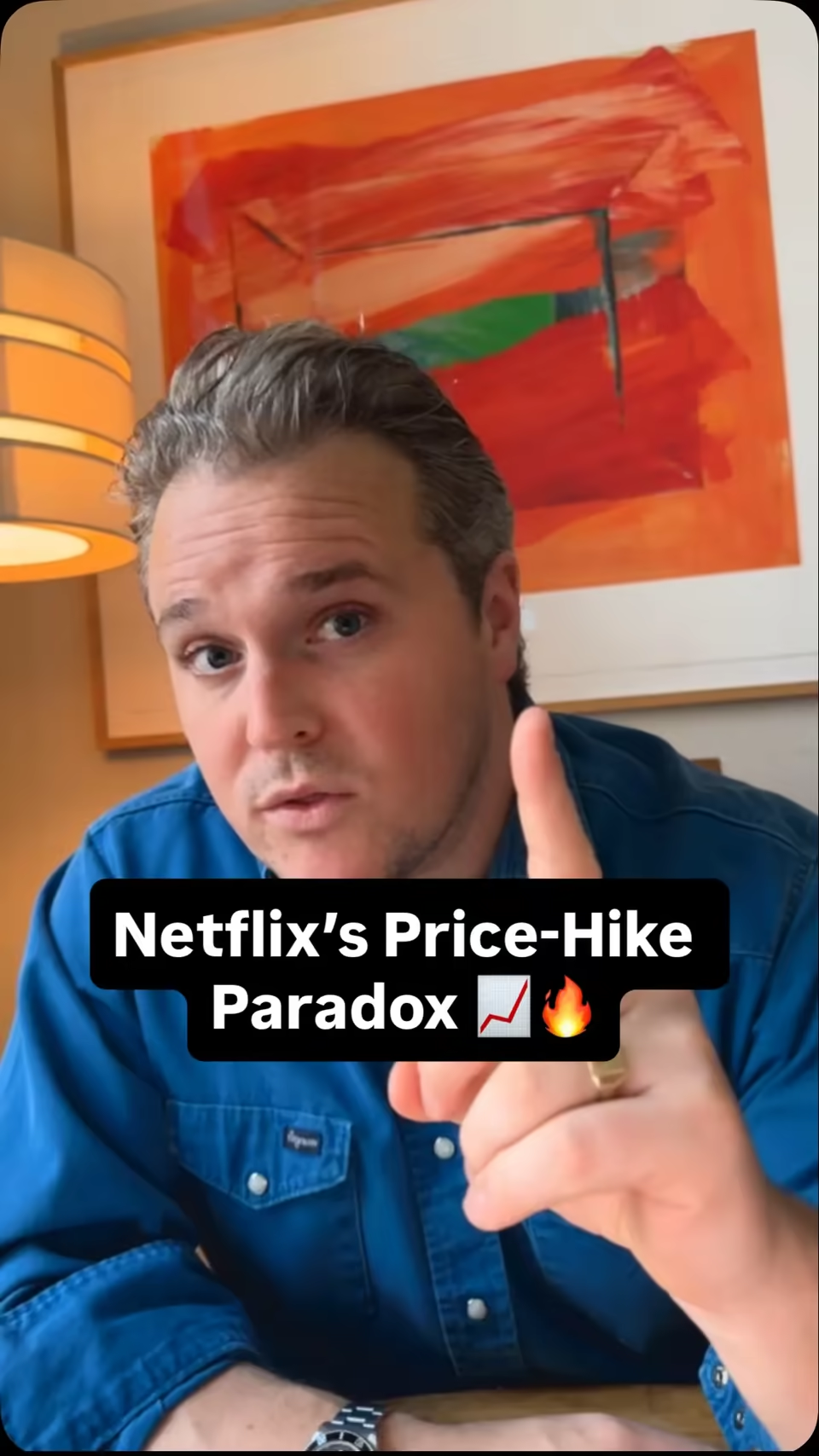
What happened when Netflix raised prices?
You'd think a price hike kills demand. Netflix increased subscription prices globally, in some regions by up to 15.5%. Normally that drives churn.
Instead it added 19 million new users in the same quarter, during a cost of living squeeze, peak competition and subscription fatigue.
Why didn't people leave?
It only makes sense if you understand that Netflix has moved past being a subscription and is now a habit. People don't keep it because it's cheap. They keep it because it's the default.
It's the thing you open when you're exhausted, bored or overwhelmed, or just need something familiar. Cancelling feels like missing out on culture, not saving money.
What is the business model?
Cultural dependency. When a product becomes emotional infrastructure, the price stops mattering. Every subscription business wants pricing power, but very few have it.
Netflix can raise prices because people fear losing relevance more than they fear a few extra dollars. The winners won't have the best features. They'll be the ones you can't imagine living without.
Would you cancel Netflix if the price rose again?
Your take. One tap, then see how everyone else voted.
Quick answers
How much did Netflix raise prices?
Globally, in some regions up to 15.5%.
How many subscribers did it add?
19 million new users in the same quarter.
Why doesn't price matter to Netflix users?
It has become a habit and a default, and cancelling feels like missing out on culture rather than saving money.
See you on the next one.
What should the next one be? Suggest a topic for Huw to explain
The conversation
Comments
Nothing here yet. Start the conversation: Huw reads every comment before it is published.


