
Wrexham. Story is the growth engine.
Ryan Reynolds and Rob McElhenney bought a club with 8,000 fans and no global footprint. Three years later they are using attention to fund the winning.
THE GIST ON WREXHAM: "The Hollywood Playbook"

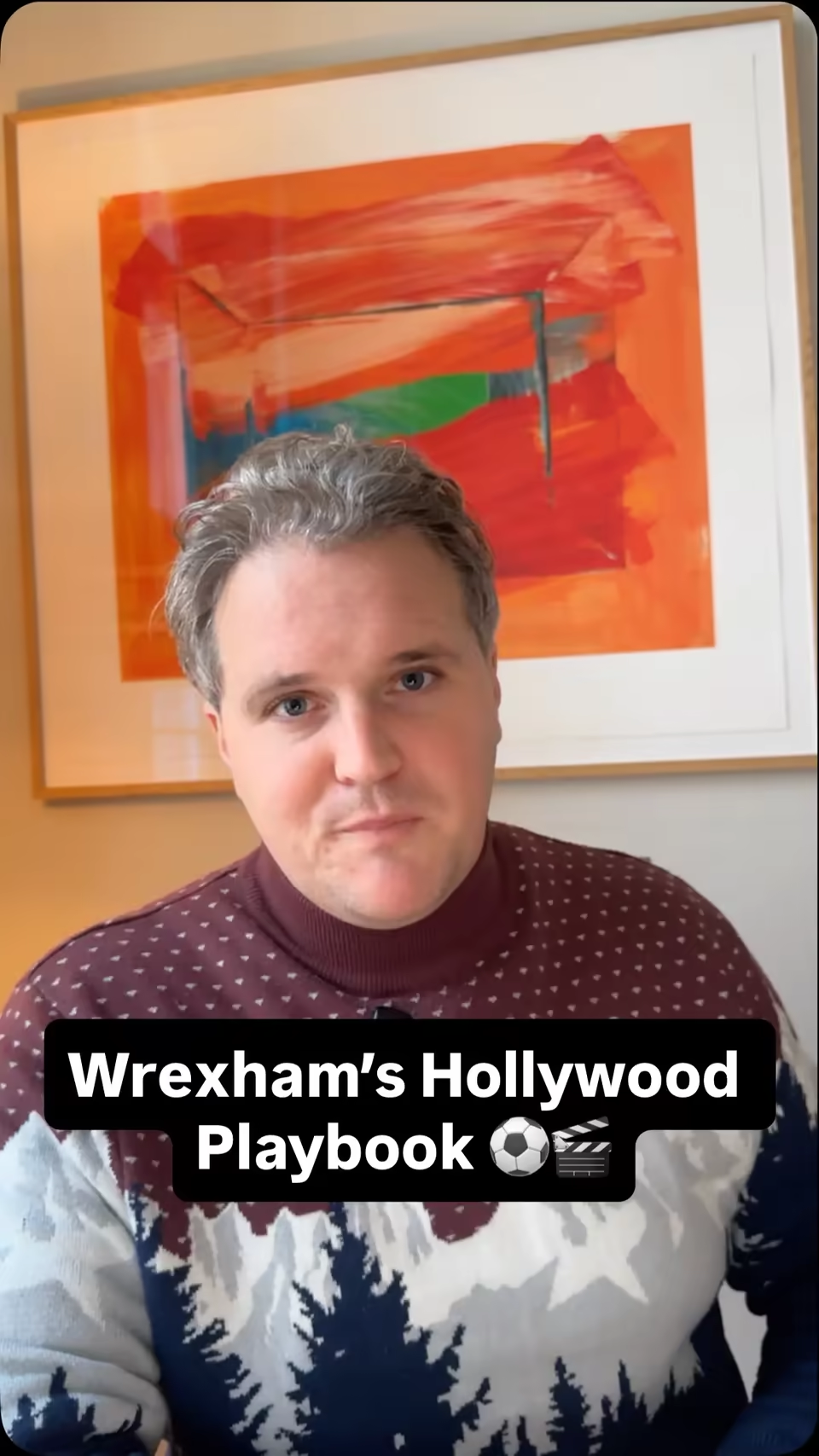
What happened to Wrexham?
When Ryan Reynolds and Rob McElhenney bought Wrexham for around £2 million, it had 8,000 fans and zero global footprint. Three years later matchday revenue has tripled, millions follow them globally, the documentary is a global hit, and they've climbed two divisions without Premier League money.
What is the Hollywood playbook?
Huw calls it the world's greatest example of storytelling as a growth driver. They've put a media machine with a football team at its centre. Ordinary moments become emotional arcs: a new signing is a character reveal, a loss is a cliffhanger, the community is the cast.
Normally clubs use winning to get attention. Wrexham uses the attention to fund the winning. The show subsidises the squad, global fans subsidise sponsorship value, and the underdog narrative gives them unlimited story supply.
What does it prove?
The next competitive edge in sport isn't money, it's story. Wrexham can scale like a Premier League club regardless of how it does on matchday. This is sport as entertainment IP, and Wrexham are years ahead of everybody else.
Is Wrexham football or entertainment?
Your take. One tap, then see how everyone else voted.
Quick answers
How much did the owners pay for Wrexham?
Around £2 million, according to Huw.
What has changed since?
Matchday revenue has tripled, the documentary is a hit and the club has climbed two divisions.
What is the playbook?
Turn moments into story arcs so attention funds the squad and sponsorship.
See you on the next one.
What should the next one be? Suggest a topic for Huw to explain
The conversation
Comments
Nothing here yet. Start the conversation: Huw reads every comment before it is published.


