
High street. Shops become flats.
More than 8,000 shops have been converted to housing since 2020. It's more profitable to house people than to sell to them.
THE GIST ON HIGH STREET: "When Retail Becomes Real Estate"

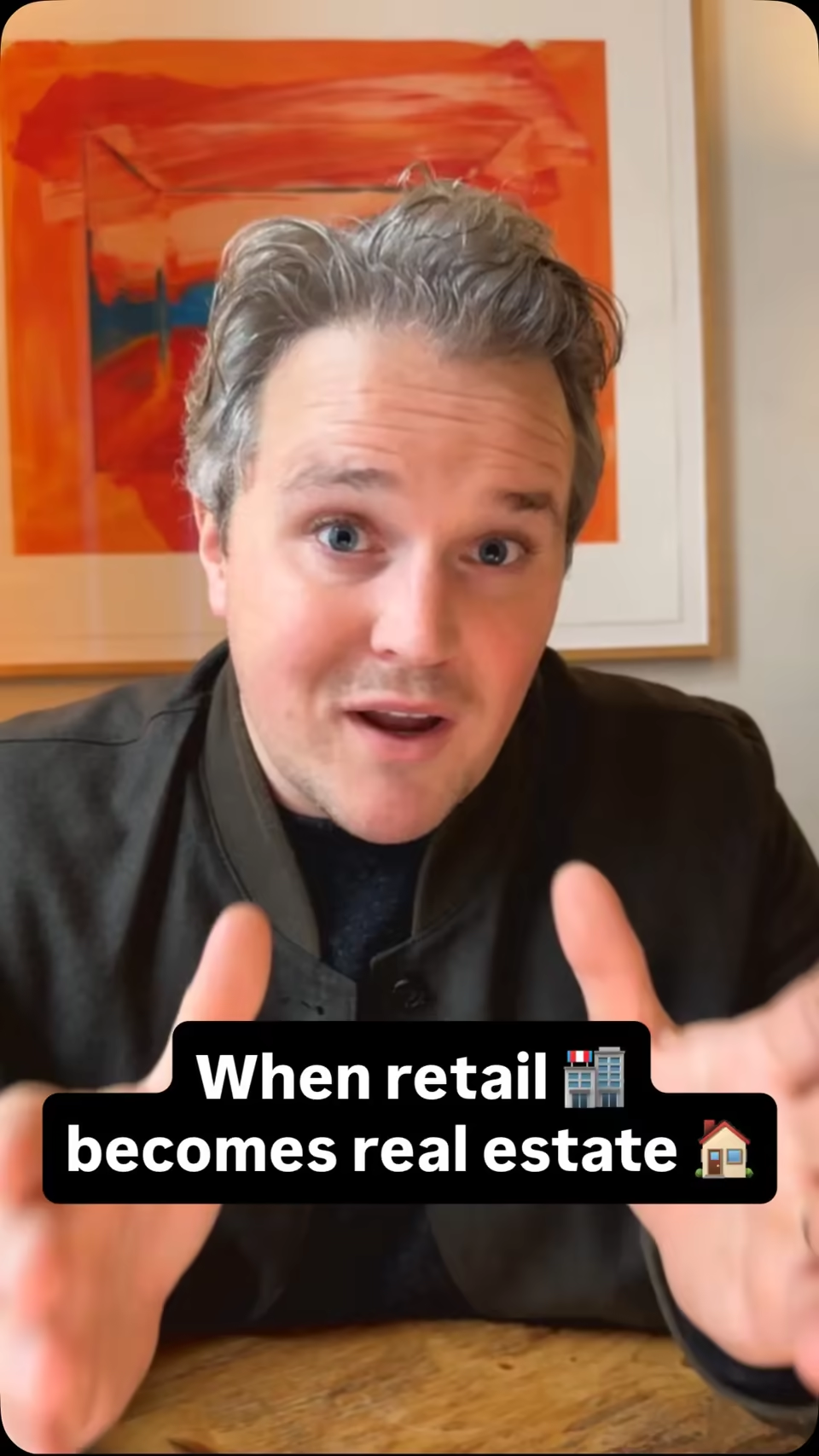
What is happening to Britain's empty shops?
Developers are turning them into housing, and there's big money in it. Savills says more than 8,000 shops have been converted since 2020, and the new rules make it faster and cheaper to do it.
Why is it profitable?
For developers it's a gold mine: low-yield retail turned into high-demand housing. The high street has gone from dying to totally changing.
What used to be powered by spending is now powered by occupancy. Developers have stopped betting on shoppers and started optimising around their absence. If you can't sell them something, rent them something instead.
What does it signal?
The market has made up its mind: it's more profitable to house people than to sell to them. Smart economics, but also a sign that we live in an economy where people learn to make money without growth.
This is how capital moves when optimism fades. Retail space used to be about footfall and now it's about yield. It's the post-retail business model.
Would you rather live above a high street?
Your take. One tap, then see how everyone else voted.
Quick answers
How many shops have been converted?
More than 8,000 since 2020, according to Savills.
Why are developers doing it?
New rules make it faster and cheaper, and it turns low-yield retail into high-demand housing.
What does the shift mean?
The high street is now powered by occupancy and yield rather than footfall.
See you on the next one.
What should the next one be? Suggest a topic for Huw to explain
The conversation
Comments
Nothing here yet. Start the conversation: Huw reads every comment before it is published.


