
Millennium Dome. We sold for a promise.
The Dome was handed over for no money up front. Others sold their interests for agreed prices. The public's return depended on a profit calculated at the end.
THE GIST ON MILLENNIUM DOME: "Part 2: The Promise"

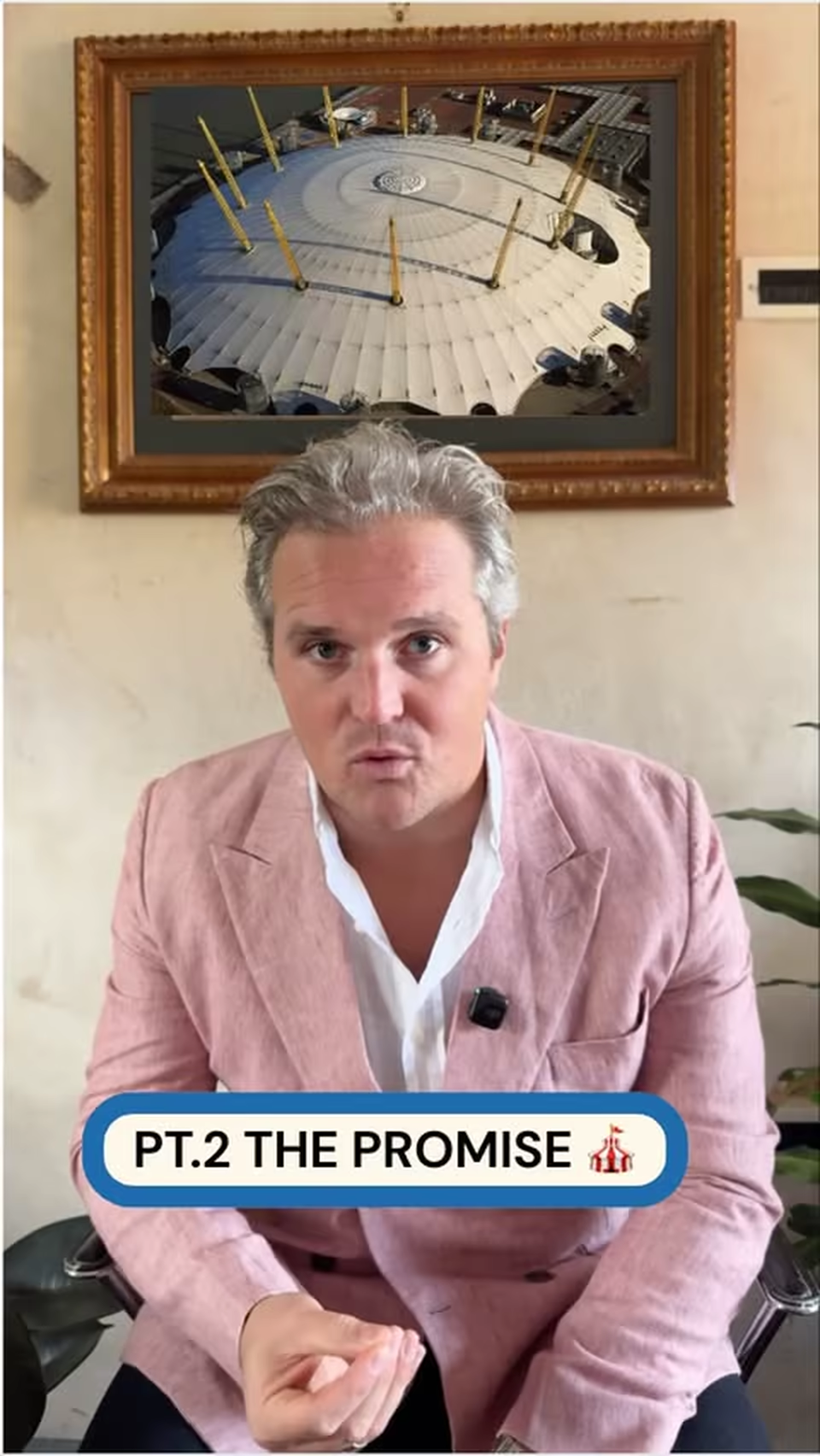
What did the public agree to?
In 2002, the Dome and the land around it were transferred with no money paid up front. The public had already paid to clean the ground, connect it to the Tube and build the tent. Its return would be a share of what the development made later.
That is a different position from selling an asset for a price. A price is settled when the deal happens. A promise depends on what the agreement calls profit, which costs come first and who does the calculation.
Who got paid first?
The operator, leaseholder and landowner held separate interests. Each could sell an interest at a price agreed with a buyer. In the longer newsletter, I trace a lease that turned £24 million into £90 million, and land sold for £666 million without a payment to the public.
The distinction is the order in which the money gets divided. The developer's return comes before the public's share, and the party paid first also does the sums. A sale can produce a substantial price for its owner without producing the profit the public was promised.
Does this need a villain?
A version with a villain would be more satisfying. It would also miss the arrangement. Developers can negotiate hard and keep their agreements. Other owners can make shrewd purchases. The structure still leaves the public waiting.
Everyone else sold for a price. We sold for a promise. The question is what that promise was worth once everybody ahead of us had been paid.
How should public land be sold?
Your take. One tap, then see how everyone else voted.
Quick answers
Why was there no public payment when other interests were sold?
The public's return was tied to the agreement's definition of future profit, rather than a share of every sale price.
What is Huw's central distinction?
Other parties could sell their interests for agreed prices. The public accepted a promise of profit after other claims had been met.
See you on the next one.
What should the next one be? Suggest a topic for Huw to explain
The conversation
Comments
Nothing here yet. Start the conversation: Huw reads every comment before it is published.


