
Lucky Saint. Sober went premium.
Britain's biggest non-alcoholic beer brand is eight years old, and the alcohol industry is booming on your sobriety.
THE GIST ON LUCKY SAINT: "Sober Went Premium"

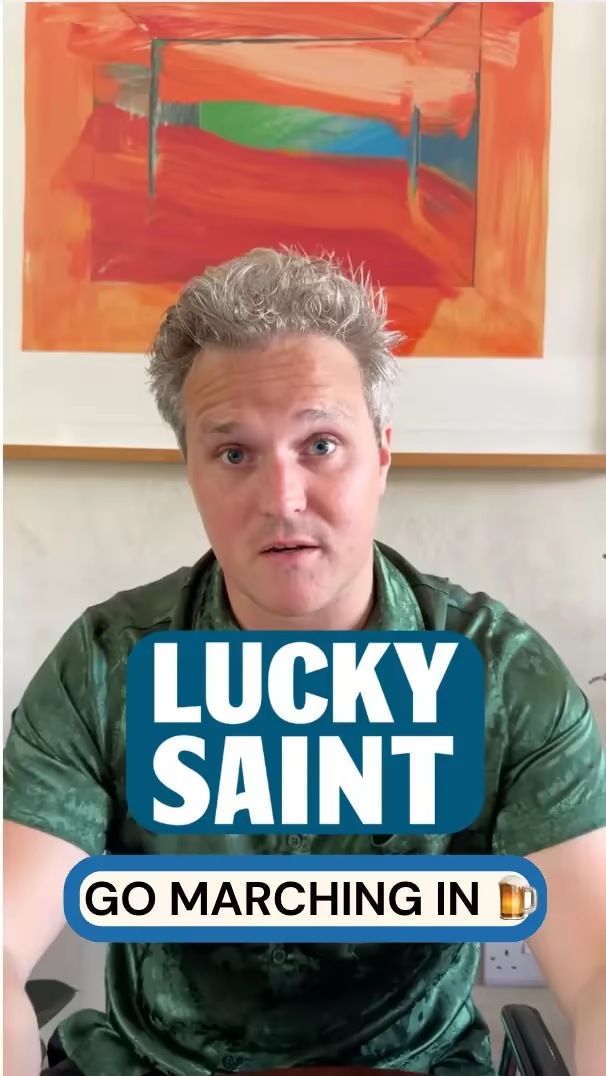
Who is winning on non-alcoholic beer?
Lucky Saint is Britain's biggest non-alcoholic beer brand, and it's only eight years old. Now big brewers are all going faster on non-alcoholic beer, because the alcohol industry is booming on your sobriety.
Why was alcohol-free beer disgusting?
Non-alcoholic beer has existed for decades. Beers made with alcohol and then stripped of it afterwards, which is why it was disgusting.
In 2018 Lucky Saint was founded, brewed without alcohol from the start in Germany and priced like a premium lager. At the time UK non-alcoholic beer was 2% of total beer sales. In Germany it was 10%. The market wasn't small because demand was low. It was small because the product was crap.
What did Lucky Saint prove?
That sober could be premium. It's now in 7,000 pubs and every major supermarket. And the big boys have noticed, because the Lucky Saint drinker still goes to a pub, still orders a pint and still spends money.
Why are the big brewers happy?
UK alcohol consumption is down 30% in 20 years, but the biggest brewers have posted record revenues. Alcohol free is growing 20% a year while regular beer shrinks. The three biggest brewers now sell more zero percent than any independent brand.
Sobriety used to sit outside beer: recovering alcoholics, designated drivers, pregnant people. Lucky Saint turned it into a lifestyle. Every alcohol-free pint sold is a pint that wouldn't have been sold at all, so sobriety hasn't cannibalised their business. It has expanded it.
The alcohol industry has captured its biggest critics, and there is nothing lucky about it. Is the official beer of Dry January the best tagline ever?
Would you swap pints for alcohol-free?
Your take. One tap, then see how everyone else voted.
Quick answers
Why was old non-alcoholic beer bad?
It was brewed as normal beer and had the alcohol stripped out afterwards.
What was different about Lucky Saint?
It was brewed without alcohol from the start, in Germany, and priced like a premium lager.
Why do big brewers like alcohol-free?
Alcohol free is growing 20% a year, and each alcohol-free pint is one that would not have been sold at all.
See you on the next one.
What should the next one be? Suggest a topic for Huw to explain
The conversation
Comments
Nothing here yet. Start the conversation: Huw reads every comment before it is published.


