
English Whisky. The farmers stopped selling it.
A field of barley is worth about 155 quid a tonne. Leave it in a barrel for ten years and it is worth 50 grand of single malt. English farmers have just noticed.
THE GIST ON ENGLISH WHISKY: "English Whisky"

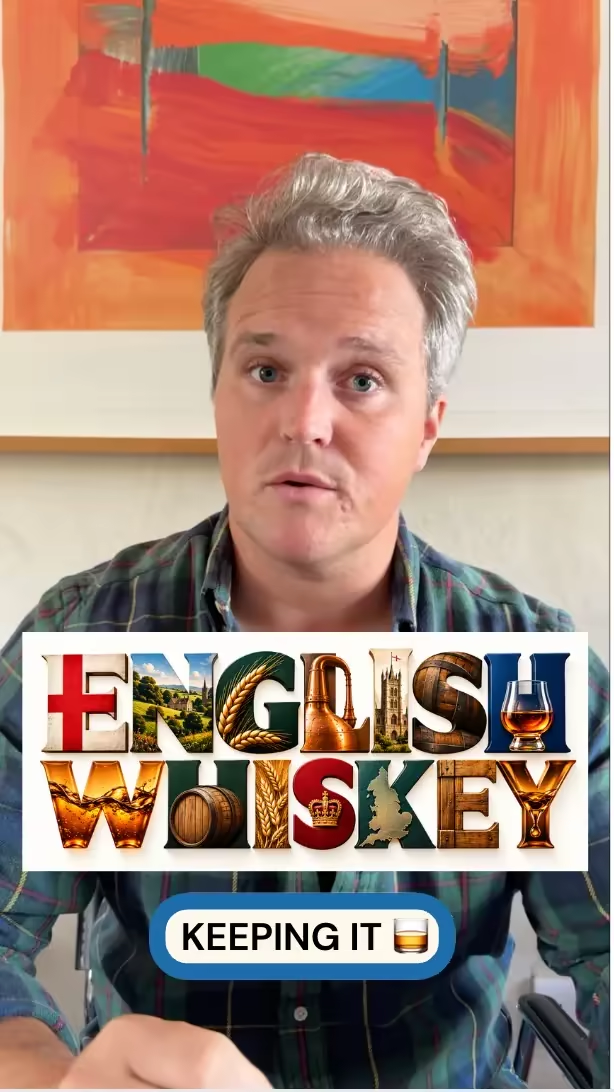
What is a field of barley worth?
A field of barley is worth about £155 a tonne. Bang it in a barrel for 10 years and it's worth £50,000 of single malt. That is the most profitable thing in English farming, and for 200 years they've been selling the barley to other people.
Now they've stopped selling it and started drinking it.
Who started English whisky?
A Norfolk farmer in 2006, with spare barley that would normally have gone up to Scotland. A Hereford potato farmer who filled a load of barrels and left them in a shed for a decade.
There are now 70 distilleries. Three years ago, there were 46.
Why did nobody do this before?
Because it was illegal. In 1751, Parliament panicked about the gin craze and ruled that no still could be smaller than 1,800 litres. That is massive, and no farm could manage it. It made sure the only people who could turn barley into spirit were distillers.
It finally changed in 2009, when two blokes spent two years arguing with the tax man about making gin in London. That is the entire reason the English whisky industry exists.
What does the new protection change?
This month, English whisky got the same legal protection as champagne and Scotch, with a rule Scotch doesn't have: every grain has to be homegrown. Scotch can source its grain from anywhere on earth.
That suits the English, who have been growing barley and sending it north for 250 years, paid like farmers for something that sells like a luxury. Now it's vertically integrated.
Scotland is watching an industry move back across the border, one field at a time, while its own whisky sales fall. Nobody fights hard over a 1% market share unless they're terrified of what that 1% becomes.
Would you pick an English whisky over a Scotch?
Your take. One tap, then see how everyone else voted.
Quick answers
Why was English whisky hard to make?
In 1751, after the gin craze, Parliament ruled that no still could be smaller than 1,800 litres. No farm could manage that, so only distillers could turn barley into spirit.
How many English distilleries are there?
There are now 70. Three years ago there were 46.
What is different about the new English protection?
It has the same legal protection as champagne and Scotch, but every grain has to be homegrown. Scotch can use grain from anywhere on earth.
See you on the next one.
What should the next one be? Suggest a topic for Huw to explain
The conversation
Comments
Nothing here yet. Start the conversation: Huw reads every comment before it is published.


