
David Lloyd. Sold to itself.
David Lloyd couldn't find a buyer at its price, so its private equity owner sold it to a new fund of its own. The era of buy, expand and exit is stalling.
THE GIST ON DAVID LLOYD: "David Lloyd Sold To Itself"

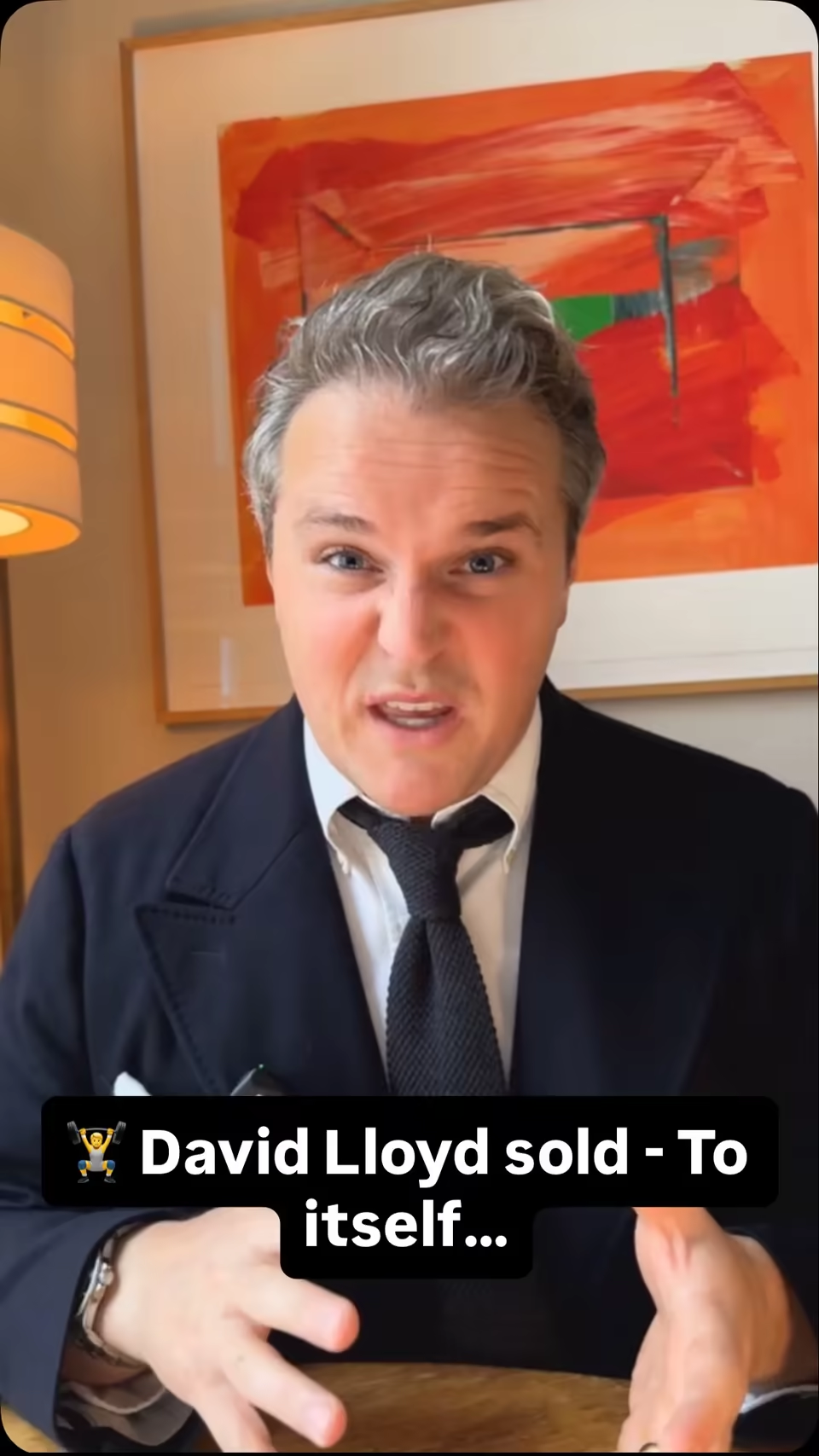
What happened to David Lloyd?
The UK's most premium gym chain couldn't find a buyer. Its private equity owner, TDR Capital, was targeting an exit valuation of £2.2 to £2.5 billion, and the market didn't buy.
So instead of selling, it rolled the business into a new fund, bringing in fresh investor money to hold it longer.
What is a continuation vehicle?
Basically private equity saying, we can't sell this at the price we want yet. Investors now want predictable returns, not glossy growth decks.
David Lloyd and companies like it aren't flops, but they've gone from growth rockets to operational assets. Private equity isn't levering up prestige any more. It's learning to run it.
What does it mean for private equity?
For mid-market private equity, the era of buy a lifestyle brand, expand and exit at a higher multiple has stalled. Premium brands haven't died. They have to justify their existence with real cash flow rather than growth metrics.
Huw thinks that might be better for businesses and customers alike.
Is a premium gym membership worth it?
Your take. One tap, then see how everyone else voted.
Quick answers
Why couldn't David Lloyd be sold?
The market didn't buy at TDR Capital's exit valuation of £2.2 to £2.5 billion.
What did TDR Capital do instead?
Rolled it into a new fund with fresh investor money to hold it for longer, a continuation vehicle.
What does it mean for private equity?
The buy, expand and exit at a higher multiple era has stalled; brands must show real cash flow.
See you on the next one.
What should the next one be? Suggest a topic for Huw to explain
The conversation
Comments
Nothing here yet. Start the conversation: Huw reads every comment before it is published.


